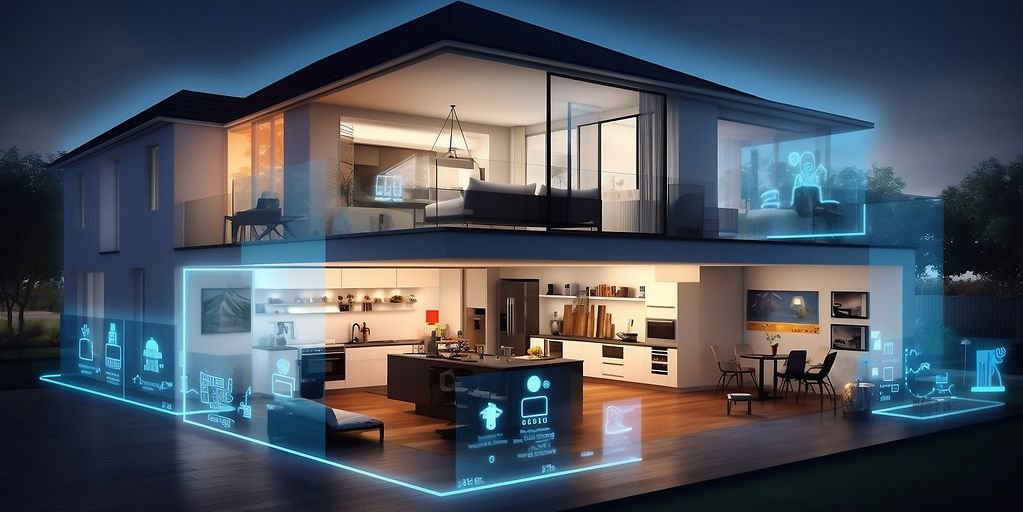
The concept of a smart home was once considered science fiction, but in 2026 it has become a reality for millions of families worldwide. Smart homes use connected devices, Artificial Intelligence (AI), and the Internet of Things (IoT) to automate everyday tasks, improve security, save energy, and make life more comfortable.
From controlling lights with your voice to monitoring your home while traveling, smart technology has transformed modern living. As prices become more affordable and internet connectivity improves, smart homes are becoming increasingly popular across the world.
This article explores how smart homes work, their benefits, challenges, and what the future holds.
What Is a Smart Home?
A smart home is a house equipped with internet-connected devices that can be controlled remotely or automatically.
These devices communicate with each other to improve convenience, security, and energy efficiency.
Examples include:
- Smart lights
- Smart locks
- Smart thermostats
- Smart cameras
- Smart speakers
How Smart Homes Work
Smart home devices connect through:
- Wi-Fi
- Bluetooth
- Zigbee
- Matter-compatible systems
Users can control them using:
- Smartphones
- Tablets
- Voice assistants
- Smart displays
Many devices can also operate automatically based on schedules or routines.
Smart Lighting
Smart lighting allows homeowners to:
- Turn lights on or off remotely
- Adjust brightness
- Change colors
- Schedule lighting
This improves convenience while reducing electricity consumption.
Smart Security Systems
Security is one of the biggest reasons people choose smart homes.
Modern systems include:
- Video doorbells
- Motion sensors
- Smart locks
- Security cameras
- Alarm systems
Homeowners receive instant alerts if unusual activity is detected.
Smart Thermostats
Smart thermostats automatically adjust indoor temperatures.
Benefits include:
- Lower energy bills
- Greater comfort
- Automatic scheduling
- Remote temperature control
AI learns user habits and optimizes heating or cooling.
Voice-Controlled Assistants
Voice assistants make smart homes easier to manage.
Users can:
- Play music
- Control appliances
- Set reminders
- Check the weather
- Ask questions
Simple voice commands save time and improve accessibility.
Smart Kitchen Appliances
Modern kitchens now feature connected devices such as:
- Smart refrigerators
- Smart ovens
- Coffee machines
- Dishwashers
These appliances help simplify daily cooking and meal preparation.
Energy Efficiency
Smart homes help reduce energy waste.
Systems automatically manage:
- Lighting
- Air conditioning
- Heating
- Power consumption
This benefits both homeowners and the environment.
Smart Entertainment
Connected entertainment systems allow users to:
- Stream movies
- Play music
- Control televisions
- Manage gaming devices
Everything can be controlled from one device.
Health Monitoring
Some smart home technologies support healthier living.
Examples include:
- Air quality monitors
- Smart air purifiers
- Sleep tracking devices
- Water quality sensors
These tools help families maintain healthier environments.
Benefits of Smart Homes
Smart technology offers numerous advantages:
- Greater convenience
- Improved security
- Lower energy costs
- Remote access
- Increased property value
These benefits continue attracting homeowners worldwide.
Challenges of Smart Homes
Despite their advantages, smart homes also have limitations.
Privacy Concerns
Connected devices collect data that must be protected.
Internet Dependence
Most smart devices require reliable internet connections.
Initial Costs
Installing smart technology can be expensive.
Cybersecurity
Homes must be protected against hacking attempts.
Proper security measures help reduce these risks.
Artificial Intelligence in Smart Homes
AI makes smart homes more intelligent by learning user behavior.
AI can:
- Predict routines
- Adjust lighting automatically
- Improve energy efficiency
- Enhance home security
Homes become more personalized over time.
The Future of Smart Homes
Experts believe smart homes will continue evolving.
Future innovations may include:
- AI-powered household robots
- Fully automated cleaning systems
- Smart windows
- Intelligent kitchens
- Advanced energy management
Homes will become even more connected and efficient.
Why Smart Homes Matter
Smart homes improve everyday living by:
- Saving time
- Reducing energy waste
- Improving safety
- Increasing comfort
- Supporting sustainable lifestyles
Technology is making homes smarter and more efficient than ever before.
Conclusion
Smart homes are changing the way people live by combining AI, automation, and connected devices to create safer, more comfortable, and energy-efficient environments. From voice-controlled assistants and smart lighting to advanced security systems, these technologies make everyday tasks easier and more convenient.
As innovation continues in 2026 and beyond, smart homes are expected to become even more intelligent, affordable, and accessible. They represent one of the most exciting developments in modern technology and are likely to become a standard feature of future homes.
Frequently Asked Questions (FAQs)
1. What is a smart home?
A smart home uses internet-connected devices to automate and control household systems.
2. What are the benefits of smart homes?
They improve convenience, security, energy efficiency, and comfort.
3. Can smart homes save electricity?
Yes. Smart lighting, thermostats, and automation help reduce energy consumption.
4. Are smart homes secure?
They can be very secure when protected with strong passwords, software updates, and secure networks.
5. Will smart homes become more common?
Yes. Experts expect smart home technology to become more affordable and widely available over the next decade.