Imagine creating a virtual copy of a real-world object, building, factory, or even an entire city that updates in real time. This is exactly what Digital Twin technology makes possible. In 2026, digital twins are helping businesses improve efficiency, reduce costs, predict equipment failures, and make smarter decisions.
Originally used in aerospace engineering, digital twins are now transforming industries such as healthcare, manufacturing, construction, transportation, and smart cities. By combining Artificial Intelligence (AI), the Internet of Things (IoT), cloud computing, and real-time data, digital twins allow organizations to monitor and improve physical systems like never before.
As technology advances, digital twins are expected to become one of the most valuable innovations of the digital age.
What Is a Digital Twin?
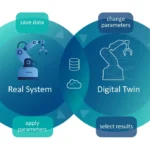
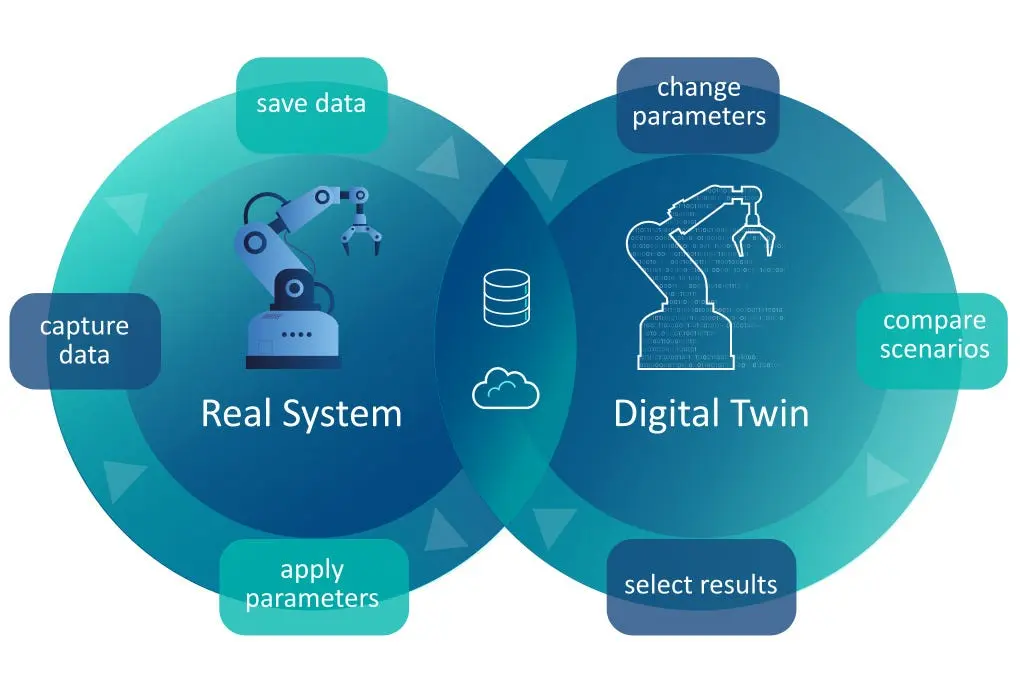
A digital twin is a virtual model of a real-world object, machine, system, or process.
It continuously receives real-time data from sensors installed on the physical object.
This allows the virtual model to accurately reflect the current condition and performance of its real-world counterpart.
How Digital Twins Work
Digital twins rely on several technologies working together.
These include:
- Internet of Things (IoT) sensors
- Artificial Intelligence (AI)
- Cloud computing
- Data analytics
- Machine learning
The sensors collect information, which is processed and displayed in the digital model.
Why Digital Twins Are Important
Organizations use digital twins to:
- Monitor equipment remotely
- Predict maintenance needs
- Improve efficiency
- Reduce operating costs
- Test improvements before applying them
This reduces risks while improving decision-making.
Digital Twins in Manufacturing
Factories use digital twins to monitor production lines.
Benefits include:
- Reduced machine downtime
- Better quality control
- Faster production
- Lower maintenance costs
Manufacturers can identify problems before they cause expensive failures.
Digital Twins in Healthcare
Healthcare organizations are exploring digital twins to improve patient care.
Possible applications include:
- Personalized treatment planning
- Organ modeling
- Hospital management
- Medical equipment monitoring
These innovations may improve healthcare outcomes in the future.
Smart Cities
Many cities are creating digital twins to improve urban planning.
They help manage:
- Traffic flow
- Public transportation
- Energy usage
- Waste collection
- Emergency response
City planners can test improvements before making real-world changes.
Construction and Architecture
Construction companies use digital twins throughout building projects.
They help with:
- Design improvements
- Safety monitoring
- Structural inspections
- Maintenance planning
Building owners benefit throughout the property’s entire lifecycle.
Transportation
Digital twins improve transportation systems by monitoring:
- Roads
- Railways
- Airports
- Shipping ports
Real-time information helps reduce delays and improve safety.
Energy Industry
Energy companies use digital twins to monitor:
- Wind turbines
- Solar farms
- Power plants
- Electrical grids
Predictive maintenance helps reduce downtime and improve efficiency.
Agriculture
Farmers use digital twins to monitor:
- Crops
- Soil conditions
- Irrigation systems
- Farm equipment
Better information leads to higher productivity and lower resource usage.
Benefits of Digital Twin Technology
The biggest advantages include:
- Better decision-making
- Reduced maintenance costs
- Increased efficiency
- Improved safety
- Longer equipment life
- Faster innovation
Organizations gain valuable insights without interrupting real-world operations.
Challenges
Despite its benefits, digital twin technology faces several challenges.
High Implementation Costs
Building accurate digital models requires significant investment.
Data Security
Large amounts of operational data must be protected.
Integration
Older equipment may not support modern sensor technology.
Skilled Workforce
Organizations need experts who understand AI, IoT, and data analytics.
Artificial Intelligence Makes Digital Twins Smarter
AI helps digital twins:
- Predict equipment failures
- Optimize performance
- Detect unusual behavior
- Recommend improvements
Machine learning allows the system to become more accurate over time.
The Future of Digital Twins
Experts believe digital twins will become standard across many industries.
Future developments may include:
- Digital twins for entire countries
- Personalized healthcare models
- Autonomous factory management
- Climate monitoring systems
- AI-powered infrastructure management
The technology is expected to expand rapidly over the next decade.
Why Digital Twins Matter
Digital twins help organizations:
- Save money
- Improve productivity
- Reduce environmental impact
- Increase safety
- Make faster decisions
They bridge the gap between the physical and digital worlds.
Conclusion
Digital twin technology is revolutionizing the way businesses and governments understand, monitor, and improve real-world systems. By creating virtual models connected to live data, organizations can predict problems, optimize performance, and make smarter decisions.
As AI, IoT, and cloud computing continue to evolve, digital twins are expected to play a central role in the future of manufacturing, healthcare, transportation, agriculture, and smart cities. This innovative technology is not just shaping industries—it is helping build a smarter and more connected world.
Frequently Asked Questions (FAQs)
1. What is a digital twin?
A digital twin is a virtual model of a real-world object or system that updates using real-time data.
2. Which industries use digital twins?
Manufacturing, healthcare, transportation, construction, agriculture, energy, and smart cities.
3. How do digital twins collect information?
They receive data from IoT sensors installed on physical equipment.
4. What are the biggest benefits of digital twins?
Improved efficiency, predictive maintenance, cost savings, and better decision-making.
5. Will digital twins become more common?
Yes. Experts expect digital twin technology to become increasingly important as AI and IoT continue to advance.