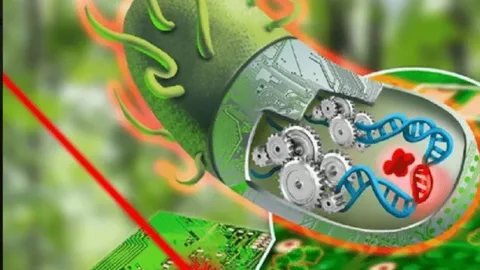
Synthetic biology is one of the fastest-growing scientific fields in the world. It combines biology, engineering, genetics, and computer science to design and build new biological systems. In 2026, synthetic biology is helping scientists develop better medicines, improve agriculture, create sustainable materials, and find innovative solutions to environmental challenges.
Unlike traditional biology, which focuses on understanding living organisms, synthetic biology aims to redesign or create biological systems that perform specific tasks. Researchers believe this technology could solve some of humanity’s biggest challenges while opening the door to entirely new industries.
This article explains what synthetic biology is, how it works, its applications, benefits, challenges, and future potential.
What Is Synthetic Biology?
Synthetic biology is the science of designing and modifying living organisms using engineering principles.
Scientists can:
- Modify DNA
- Design new biological systems
- Improve existing organisms
- Create useful biological products
The goal is to make biological processes more efficient and beneficial.
How Synthetic Biology Works
Synthetic biology combines several scientific fields.
These include:
- Genetics
- Biotechnology
- Computer science
- Engineering
- Artificial Intelligence
Researchers study DNA and modify genetic information to achieve specific results.
Healthcare Applications
One of the biggest uses of synthetic biology is healthcare.
Scientists are developing:
- New vaccines
- Personalized medicines
- Gene therapies
- Improved diagnostic tools
These innovations could help treat diseases more effectively.
Agriculture
Farmers may benefit from synthetic biology through:
- Disease-resistant crops
- Higher crop yields
- Drought-tolerant plants
- Reduced pesticide use
These improvements can strengthen global food security.
Environmental Protection
Synthetic biology supports sustainability by helping reduce pollution.
Possible applications include:
- Plastic-eating microorganisms
- Oil spill cleanup
- Carbon capture
- Water purification
Researchers are exploring environmentally friendly solutions.
Sustainable Manufacturing
Scientists are creating biological alternatives to traditional materials.
Examples include:
- Biodegradable plastics
- Eco-friendly textiles
- Plant-based chemicals
- Sustainable fuels
These innovations may reduce dependence on fossil fuels.
Food Production
Synthetic biology is changing how food is produced.
Researchers are developing:
- Lab-grown meat
- Alternative proteins
- Improved food preservation
- Nutrient-rich crops
These technologies may help feed a growing global population.
Artificial Intelligence in Synthetic Biology
AI plays a major role by helping scientists:
- Analyze DNA
- Predict biological behavior
- Design experiments
- Accelerate research
Artificial Intelligence significantly speeds up discoveries.
Industrial Applications
Many industries use synthetic biology for:
- Chemical production
- Biofuels
- Cosmetics
- Pharmaceuticals
Biological manufacturing is becoming more efficient and sustainable.
Benefits of Synthetic Biology
The technology offers many advantages.
These include:
- Better healthcare
- Cleaner environment
- Improved food production
- Sustainable manufacturing
- Scientific innovation
It has the potential to improve millions of lives.
Challenges
Despite its promise, synthetic biology also faces challenges.
Ethical Concerns
Scientists must carefully consider how engineered organisms are used.
Safety
Strict testing is required before releasing biological products.
Regulations
Governments continue developing rules for responsible research.
Public Awareness
Many people still know very little about synthetic biology.
Education remains important.
Is Synthetic Biology Safe?
Researchers follow strict laboratory guidelines to ensure safety.
Safety measures include:
- Controlled experiments
- Government oversight
- Ethical reviews
- Environmental assessments
Responsible research helps reduce potential risks.
Future of Synthetic Biology
Experts believe the field will continue expanding.
Future developments may include:
- Disease-resistant crops
- Personalized medical treatments
- Sustainable construction materials
- Carbon-neutral manufacturing
- New renewable energy sources
Innovation is expected to accelerate throughout the coming decade.
Why Synthetic Biology Matters
Synthetic biology could help solve global challenges such as:
- Food shortages
- Climate change
- Pollution
- Disease
- Resource sustainability
Its impact may become as significant as the internet or artificial intelligence.
How Global Uncertainty Impacts Betting, Gambling, and Casino Markets
Major geopolitical tensions often affect more than oil prices and stock markets. The betting, gambling, and casino industries can also experience significant changes during periods of global uncertainty. When investors become nervous about economic conditions, consumer spending habits often change. Some people reduce entertainment expenses, including casino visits and sports betting activities, while others continue participating in gambling as a form of recreation.
Online betting platforms, casinos, and gambling companies closely monitor global events because economic instability can influence customer behavior and market performance. During periods of uncertainty, some gambling operators may see fluctuations in revenue as people become more cautious with their money. This demonstrates how international events can affect industries far beyond politics and finance, including the global betting and casino sector.
Conclusion
Synthetic biology is transforming the way scientists understand and engineer living systems. By combining biology with modern technology, researchers are developing innovative solutions for healthcare, agriculture, environmental protection, and sustainable manufacturing.
Although challenges remain, responsible research and international cooperation can help ensure this technology benefits society. As scientific knowledge continues to grow, synthetic biology is expected to become one of the defining technologies of the future.
Frequently Asked Questions (FAQs)
1. What is synthetic biology?
Synthetic biology is the science of designing and modifying biological systems using engineering and genetic technologies.
2. How is synthetic biology different from traditional biology?
Traditional biology studies living organisms, while synthetic biology redesigns or creates biological systems for useful purposes.
3. Where is synthetic biology used?
It is used in healthcare, agriculture, environmental protection, food production, and manufacturing.
4. Can synthetic biology help fight climate change?
Yes. Researchers are developing sustainable materials, carbon capture methods, and environmentally friendly manufacturing processes.
5. Why is synthetic biology important?
It has the potential to improve healthcare, protect the environment, increase food production, and create sustainable technologies for future generations.