Imagine controlling a computer, smartphone, or wheelchair using only your thoughts. While this may sound like science fiction, Brain-Computer Interfaces (BCIs) are turning this idea into reality. In 2026, researchers and technology companies are making significant progress in developing systems that allow the human brain to communicate directly with computers.
Brain-Computer Interfaces have the potential to transform healthcare, education, communication, entertainment, and many other industries. Although the technology is still developing, experts believe BCIs could become one of the most revolutionary innovations of the 21st century.
This article explains how Brain-Computer Interfaces work, their real-world applications, benefits, challenges, and future possibilities.
What Is a Brain-Computer Interface?
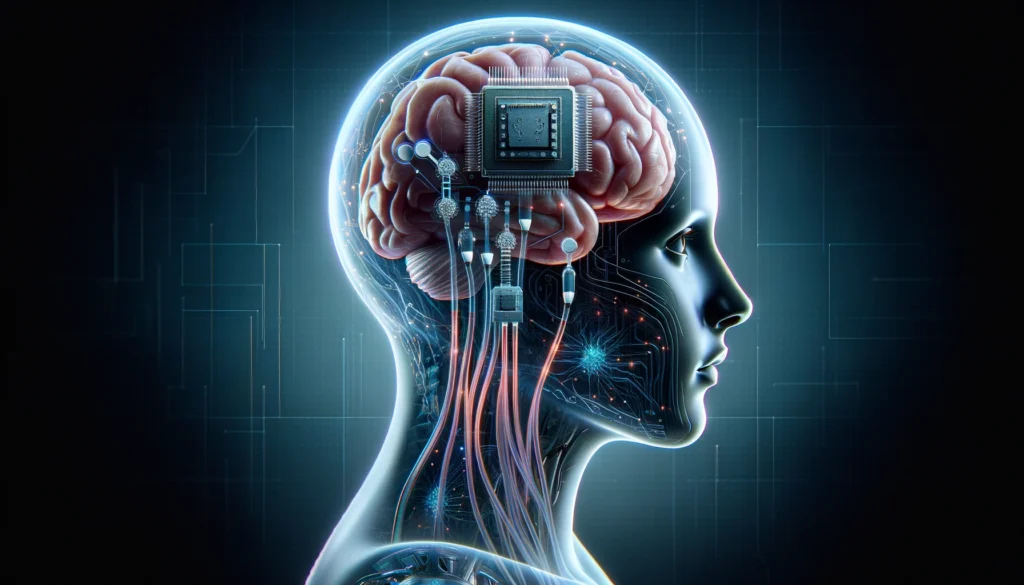
A Brain-Computer Interface (BCI) is a technology that creates a direct connection between the human brain and a computer or electronic device.
Instead of using a keyboard, mouse, or touchscreen, users can send commands through brain signals.
How Brain-Computer Interfaces Work
BCIs operate through several steps.
The process usually includes:
- Detecting brain activity
- Processing electrical signals
- Translating signals into digital commands
- Sending instructions to a computer or device
Artificial Intelligence helps improve the accuracy of these systems.
Types of Brain-Computer Interfaces
There are different types of BCIs.
Non-Invasive BCIs
These use sensors placed on the scalp.
Advantages include:
- No surgery required
- Safer for everyday use
- Easier to test
Invasive BCIs
These involve tiny devices implanted inside the brain.
They may provide:
- Higher accuracy
- Faster communication
- Better control
However, they require complex medical procedures.
Healthcare Applications
Healthcare is one of the biggest areas benefiting from BCIs.
Possible uses include:
- Helping people with paralysis
- Restoring communication abilities
- Controlling prosthetic limbs
- Assisting stroke recovery
Researchers continue exploring new medical possibilities.
Helping People with Disabilities
Brain-Computer Interfaces may improve independence for people with physical disabilities.
Users may control:
- Wheelchairs
- Robotic arms
- Computers
- Communication devices
This technology could significantly improve quality of life.
Education and Learning
Future BCIs may support education by:
- Improving learning tools
- Assisting students with disabilities
- Creating interactive learning experiences
However, this area remains under active research.
Gaming and Entertainment
The gaming industry is exploring BCI technology.
Potential features include:
- Hands-free controls
- More immersive gameplay
- Personalized experiences
- Faster interaction
Gaming could become even more interactive in the future.
Workplace Applications
Businesses may use BCIs to improve:
- Human-computer interaction
- Industrial safety
- Productivity
- Equipment control
These systems may simplify complex tasks.
Artificial Intelligence and BCIs
AI plays an important role by:
- Interpreting brain signals
- Learning user behavior
- Improving accuracy
- Reducing errors
Machine learning allows BCIs to become smarter over time.
Benefits of Brain-Computer Interfaces
BCIs offer several potential advantages.
They may:
- Improve healthcare
- Increase accessibility
- Enhance communication
- Support scientific research
- Create new technologies
Their impact could extend across many industries.
Challenges
Despite exciting progress, BCIs face important challenges.
Privacy
Brain-related data must be carefully protected.
Cost
Current systems remain expensive.
Technical Limitations
Signal accuracy continues improving but is not perfect.
Ethical Questions
Researchers must ensure responsible development and use.
These challenges require careful regulation and ongoing research.
Security Considerations
As BCIs become more connected, cybersecurity becomes increasingly important.
Developers must protect systems against:
- Unauthorized access
- Data theft
- Software vulnerabilities
Strong security standards will be essential.
Future of Brain-Computer Interfaces
Experts predict major advances during the next decade.
Future possibilities include:
- Faster communication devices
- Advanced medical treatments
- Smarter prosthetic technology
- Improved accessibility tools
- More natural interaction with computers
Research continues moving rapidly.
Why Brain-Computer Interfaces Matter
BCIs could fundamentally change how humans interact with technology.
They may:
- Restore independence
- Improve healthcare
- Increase productivity
- Expand communication options
- Drive future innovation
Many scientists consider BCIs one of the most promising emerging technologies.
Conclusion
Brain-Computer Interfaces represent an exciting step toward a future where humans and machines can communicate more naturally than ever before. While the technology is still developing, it already shows enormous promise in healthcare, accessibility, education, and entertainment.
As Artificial Intelligence, neuroscience, and computing continue advancing, Brain-Computer Interfaces may become an important part of everyday life. Their success will depend not only on technological progress but also on ensuring privacy, safety, and responsible innovation.
Frequently Asked Questions (FAQs)
1. What is a Brain-Computer Interface?
A Brain-Computer Interface is a technology that allows the brain to communicate directly with computers or electronic devices.
2. How do BCIs work?
They detect brain signals, process them with computers, and convert them into digital commands.
3. Where are Brain-Computer Interfaces used?
They are mainly used in healthcare, research, accessibility, robotics, and experimental gaming technologies.
4. Are Brain-Computer Interfaces safe?
Non-invasive BCIs are generally considered safer because they do not require surgery, while invasive systems involve medical procedures.
5. Will Brain-Computer Interfaces become common?
Experts believe BCIs will continue improving and may become more widely used as the technology becomes safer, more affordable, and more reliable.