The relationship between the United States and Iran has never been simple. It has been shaped by decades of mistrust, proxy conflicts, political messaging, and strategic competition. But in 2026, the tone feels different. The tension is sharper, the military movements are more visible, and the stakes are higher than ever before.
Many analysts are now asking a serious question. Are we moving toward a full-scale war, or is this just another phase of controlled escalation?
This article breaks down the current situation, military posture, regional dynamics, and most importantly, what could realistically happen next.
Background: Why USA–Iran Relations Remain Volatile
The roots of hostility go back to the 1979 Iranian Revolution, when Iran shifted from a US ally to one of its strongest critics. Since then, several flashpoints have kept tensions alive:
- Sanctions targeting Iran’s economy and nuclear program
- US military presence in the Middle East
- Iran’s support for regional proxy groups
- Repeated incidents in the Persian Gulf
Over the years, both sides have avoided direct war. Instead, they have engaged in indirect confrontation, often through regional actors.
Current Situation in 2026: What Has Changed?
The situation today is more dangerous because multiple factors are overlapping at the same time.
1. Increased Military Presence
The United States has strengthened its naval and air assets in the region. Aircraft carriers, missile defense systems, and surveillance platforms are actively deployed.
Iran, on the other hand, has increased its missile readiness, drone capabilities, and naval patrols in the Strait of Hormuz.
2. Proxy Activity Intensifying
Iran-backed groups in the region have become more active:
- Attacks on US bases in Iraq and Syria
- Houthi operations affecting shipping routes
- Increased tensions involving Hezbollah
These actions allow Iran to apply pressure without engaging directly.
3. Nuclear Concerns
Iran’s nuclear program remains a major trigger point. Western powers fear Iran is moving closer to weapons capability, while Iran insists its program is defensive.
This issue alone has the potential to spark a major escalation.
Military Comparison: USA vs Iran
Understanding the balance of power is critical.
United States Strengths
- Advanced air superiority with stealth aircraft
- Global power projection capabilities
- Superior intelligence, surveillance, and reconnaissance systems
- Strong alliances including NATO and regional partners
Iran’s Strengths
- Large stockpile of ballistic and cruise missiles
- Highly effective drone warfare capability
- Deep experience in asymmetric warfare
- Strong network of proxy forces across the Middle East
Reality Check
In a direct conventional war, the United States has a clear advantage. However, Iran is not built for conventional defeat. It is structured for prolonged, asymmetric conflict.
Key Flashpoints That Could Trigger War
Several scenarios could push the situation from tension to open conflict.
1. Strait of Hormuz Crisis
If Iran attempts to block or disrupt this critical oil route, the US would likely respond militarily. Even a minor incident here can escalate quickly.
2. Attack on US Forces
A large-scale attack on American troops in the region could trigger immediate retaliation.
3. Israeli Involvement
If Israel strikes Iranian nuclear facilities, Iran could respond regionally, pulling the US into the conflict.
4. Miscalculation
History shows that wars often start not by design, but by mistake. A misinterpreted move, an accidental strike, or an overreaction could ignite a larger conflict.
Possible War Scenario: What Would It Look Like?
If war breaks out, it will not resemble traditional wars of the past.
Phase 1: Air and Missile Strikes
- US targets Iranian military infrastructure
- Iran launches missile barrages on regional bases
Phase 2: Regional Expansion
- Proxy groups activate across multiple countries
- Shipping lanes become unsafe
- Oil prices surge globally
Phase 3: Cyber and Hybrid Warfare
- Cyberattacks on infrastructure
- Information warfare and psychological operations
Phase 4: Prolonged Conflict
Iran avoids direct confrontation and shifts to a long-term resistance strategy.
Global Impact of a USA–Iran War
The consequences would go far beyond the Middle East.
Economic Shock
- Oil prices could spike dramatically
- Global markets would face instability
Security Crisis
- Increased terrorism risks
- Destabilization of neighboring countries
Geopolitical Shifts
- China and Russia may exploit the situation
- Global alliances could be tested
Is War Inevitable?
Despite rising tensions, a full-scale war is not guaranteed.
Both countries understand the cost:
- The US would face a prolonged and expensive conflict
- Iran risks massive destruction and internal instability
This creates a situation of controlled tension, where both sides push limits but avoid crossing the final line.
What Could Happen Next? A Realistic Outlook
Looking ahead, several outcomes are possible.
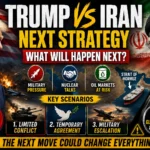
1. Continued Controlled Escalation
This is the most likely scenario. Tensions remain high, but both sides avoid direct war.
2. Limited Military Confrontation
Short, targeted strikes without full escalation.
3. Diplomatic Breakthrough
Unlikely but possible if backchannel negotiations succeed.
4. Full-Scale War
The least likely, but most dangerous scenario if multiple triggers occur simultaneously.
Key Takeaways
- The risk of conflict is real, but not immediate
- Proxy warfare remains the primary tool of confrontation
- A single miscalculation could change everything
- The global impact of war would be severe
FAQs
1. Can the USA defeat Iran in a war?
Yes, in a conventional sense, the US has overwhelming military superiority. However, defeating Iran completely would be extremely difficult due to its asymmetric strategy.
2. Why does Iran rely on proxy groups?
Proxy groups allow Iran to influence regional conflicts without engaging directly, reducing the risk of full-scale retaliation.
3. What role does the Strait of Hormuz play?
It is one of the world’s most critical oil routes. Any disruption can impact the global economy immediately.
4. Is diplomacy still possible?
Yes, but it requires compromise on key issues like sanctions and the nuclear program.
Conclusion
The tension between the United States and Iran in 2026 is not just another geopolitical standoff. It is a complex, multi-layered confrontation involving military power, regional influence, and global stakes.
War is possible, but not inevitable.
The real danger lies in miscalculation. A single wrong move could trigger a chain reaction that neither side truly wants. For now, the world is watching a dangerous balance. A balance where both sides are prepared for war, but still hoping to avoid it.
The coming months will be critical. The decisions made now will determine whether this tension fades into another chapter of controlled rivalry or explodes into a conflict that reshapes the global order.